

The effects of having low testosterone levels are devastating. They make you feel like you are no longer a complete man. Handling this situation is worse when you do not have relevant information. So is TRT safe? Several approaches have been made to handling low testosterone. According to the Endocrine Society, Mature male adults with low testosterone levels range between 2-6 million in America (1).
Low testosterone usually has visible signs. You can do a physical examination on yourself by observing any changes in your physique. However, according to many studies done by urologists, some men do not experience these physical changes (2). Instead, they prevail on more advanced levels. Alternatively, you can carry a blood test to check your levels if you suspect your testosterone levels are low.
There are several methods for treating low levels of testosterone. These methods are called testosterone replacement therapies. According to the Endocrine Society, these treatments should only be administered to men who have tested and confirmed their test results. According to the Society, if your testosterone levels are below 300 ng/dl, then you should talk with your endocrinologist (3).
Types of Testosterone Replacement Therapy
Testosterone replacement therapy is a term given to treatment methods of low testosterone. Each method depends on the patient’s preference. However, you should not administer any of these methods before talking to your doctor. He will advise you on each method’s reaction, and you choose one which favors you.
The following are the common testosterone replacement therapies:
A. Injection
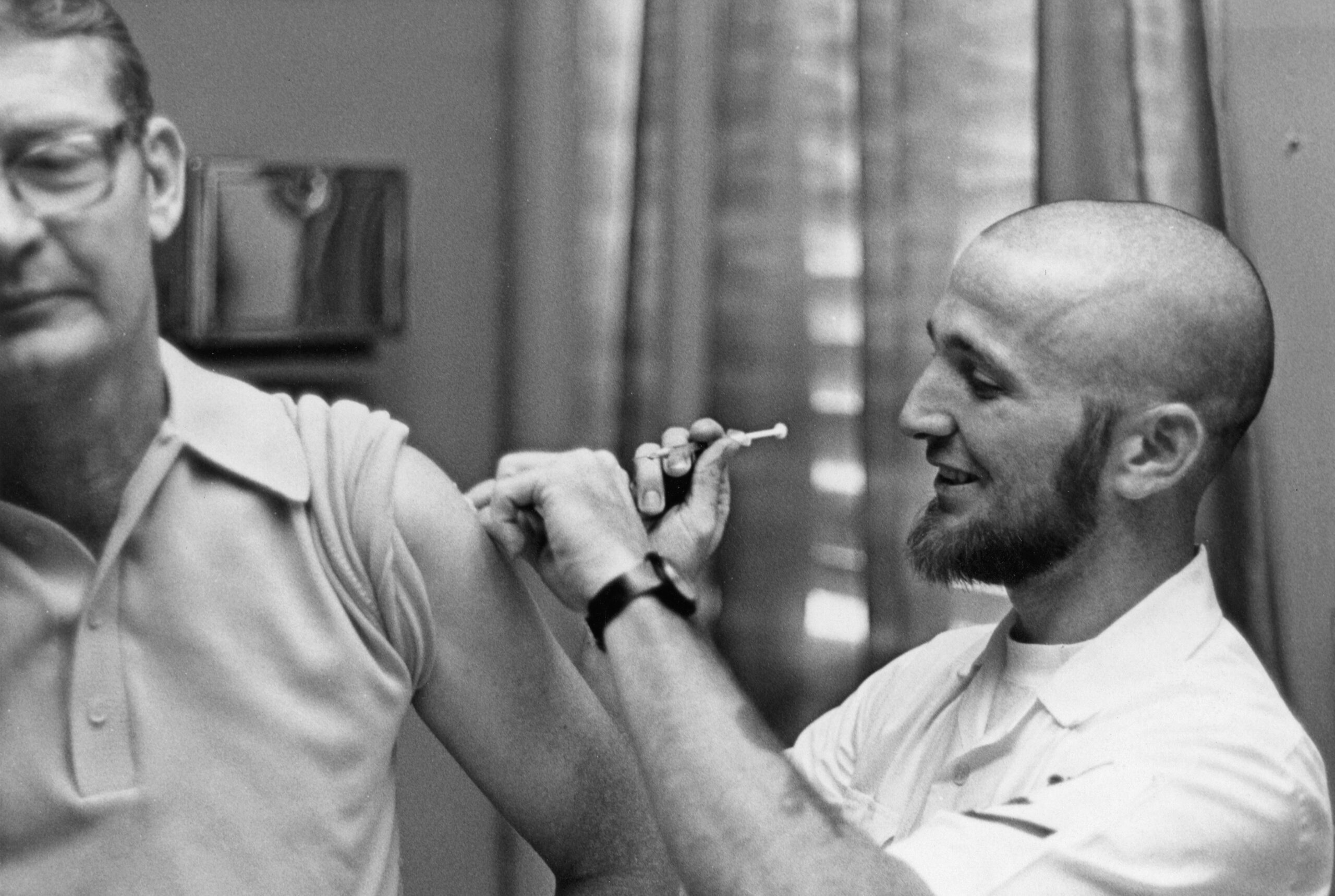
It involves using a needle to administer exogenous testosterone. This method is cheap, and many patients can afford it. One of its downsides is you have to keep going to the hospital to get another shot. The injected testosterone only last for a few weeks after which the levels return to low.
B. Use Of Gels
They come in dispensers or tubes. Gels are applied externally, thus becoming a preference for many. You use it once daily. The gel is applied on the shoulders or upper arms. According to pharmacokinetic studies, gels effectively raise serum testosterone to the normal range within 24–72 hours of the first application (4). Gels work in almost everyone and are an excellent option to start the treatment.
C. Patches
They come in two types. Those applied on the body and those applied in the mouth. Patches applied on the body are done once, and their ideal placement is the arm or upper body. The other type worn in the mouth is taken twice in a day. You stick it on the upper gum.
Patches release testosterone to the bloodstream which is absorbed by the body tissues. Its release is slow and continuous. This rate gives the body time to absorb it making the method efficient.
Is TRT Safe? Effects of Testosterone Replacement Therapies And Their Safety
Using testosterone replacement therapies to treat testosterone is controversial. It has raised alarms of the safety of patients put on these treatment methods.
However, according to a comprehensive review by Rhoden and Morgentaler published in the New England Journal of Medicine in 2004 (5), there are several factors to consider. Some situations may make these treatments risky. When handled with care, these risks can be controlled and avoided altogether.
The following are some risks associated with the treatment and how to put them under control:
A. Increased Blood Clotting
Increasing testosterone in the body can increase the production of red blood cells. Thus, the blood becomes viscous and may clot often. According to research published in the New England Journal of Medicine in 2004 (5), the findings of the study did not have severe cases of blood clots relating to this therapy. However, the risk may be involved, and this treatment should not be given to people with blood disorders and chronic pulmonary disease.
B. Increased Chances of Developing Prostate Cancer
There have been beliefs that increasing testosterone through therapies promotes the development of prostate cancer.
This belief has not been proofed since physicians under different researches have not been able to give concrete evidence on the correlation between the two.
However, to create confidence in patients about the treatment, PSA and DRE tests are done on them. If they record normal, physicians may administer the medication. If one of the two is found not to be normal, alternative solutions are offered.
C. It Worsens Benign prostatic hypertrophy (BPH)
Testosterone stimulates the natural growth of the prostate. As you age, your prostate becomes big. It squeezes the urethra causing difficulties in the control of urine. There are claims that testosterone therapy worsens this condition. These claims cannot be reliable as they do not have supporting evidence.
According to the American Urological Association Symptom Score, the therapy does not have any significant effect on the flow of urine (2).
Patients have recorded long term use of these therapies without any adverse effect. There are some rare cases where patients have experienced worsening of BPH. Upon closely monitoring these patients, they were found to have records of BPH issues. In order to avoid such instances, physicians carry a thorough background check on a patient; and when there are no traces of injuries or complications, they go on with this mode of treatment.
Conclusion:
Testosterone replacement therapy is effective and won’t bring about effects such as toxicity caused by unregulated products. It is also safe since the treatment is done under the instructions of a professional practitioner. Safety is enhanced by close monitoring patients put under this treatment. So is TRT safe? Yes, as long as it is done right. The treatment is safe as long as you do not have a complex medical condition.
References
1. Endocrine Society. Hypogonadism in Men. https://www.endocrine.org/patient-engagement/endocrine-library/hypogonadism
2. American Urological Association. Testosterone Deficiency Guideline. https://www.auanet.org/guidelines-and-quality/guidelines/testosterone-deficiency-guideline
3. Bhasin S, Brito JP, Cunningham GR, et al. Testosterone Therapy in Men With Hypogonadism: An Endocrine Society Clinical Practice Guideline. J Clin Endocrinol Metab. 2018;103(5):1715-1744. https://pubmed.ncbi.nlm.nih.gov/29562364/
4. Swerdloff RS, Wang C, Cunningham G, et al. Long-term pharmacokinetics of transdermal testosterone gel in hypogonadal men. J Clin Endocrinol Metab. 2000;85(12):4500-4510. https://pubmed.ncbi.nlm.nih.gov/11134099/
5. Rhoden EL, Morgentaler A. Risks of testosterone-replacement therapy and recommendations for monitoring. N Engl J Med. 2004;350(5):482-492. https://pubmed.ncbi.nlm.nih.gov/14736896/
