
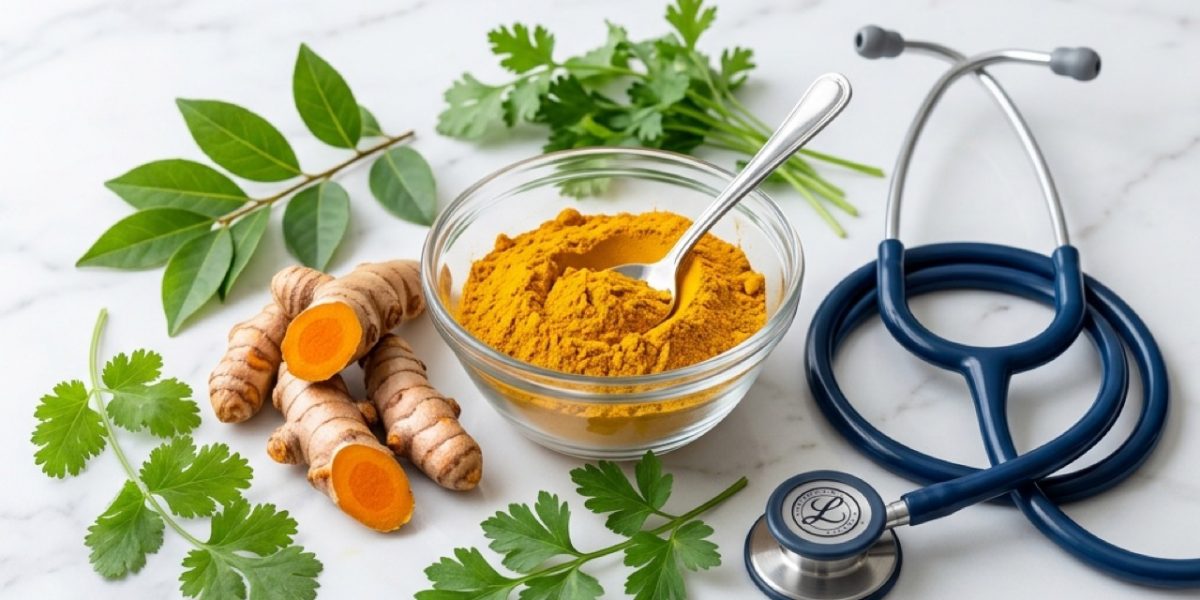
Turmeric has a long history as a culinary spice, and curcumin, one of its best-known active compounds, has been studied for inflammation, metabolic markers, joint discomfort, and several other health questions. That does not make turmeric a cure, a testosterone treatment, or a proven erectile dysfunction therapy.
The professional way to talk about turmeric is to separate food from supplements, and possibility from proof[1]. Cooking with turmeric is very different from taking high-dose curcumin capsules, concentrated extracts, or products combined with black pepper extract to increase absorption.
Can turmeric improve erections?
There is not enough clinical evidence to tell men that turmeric improves erections or treats erectile dysfunction. Erections depend on blood flow, nerve signaling, hormones, sleep, cardiovascular health, diabetes risk, medication effects, and psychological factors. A supplement headline can easily miss the real medical issue.
If erectile function has changed, the safer message is to evaluate the cause. That may include blood pressure, glucose or A1c, lipids, testosterone testing when symptoms fit, sleep apnea screening, medication review, and a cardiovascular risk discussion. Turmeric should not be framed as a substitute for that workup.
Where turmeric may fit
As a spice in food, turmeric can be part of an overall Mediterranean-style or anti-inflammatory eating pattern. That is a reasonable wellness choice. Some clinical studies have examined curcumin supplements for conditions such as osteoarthritis, metabolic markers, and nonalcoholic fatty liver disease, but study quality, product formulation, dose, and duration vary widely.
That matters because supplement results are not automatically transferable. A trial using a specific curcumin preparation cannot prove that every turmeric capsule, drink, gummy, or powder will have the same effect.
Safety matters more than hype
Turmeric and curcumin are often tolerated, but concentrated supplements can cause gastrointestinal symptoms in some people and may interact with medications. Men taking anticoagulants, antiplatelet drugs, or preparing for surgery should discuss turmeric or curcumin supplements with their clinician[2]. The same caution applies to people with complex medical histories, active cancer treatment, gallbladder disease, liver concerns, or multiple prescription medications.
Natural does not mean risk-free. It means the risk conversation is different from the prescription-drug conversation, not that the risk disappears.
What to ask before taking a turmeric supplement
- What problem am I actually trying to solve?
- Is there a diagnosis that needs medical evaluation first?
- Am I taking blood thinners, aspirin, NSAIDs, diabetes medication, or other drugs that could interact?
- Is the product third-party tested?
- Does the label use exaggerated claims such as cleansing, curing disease, or guaranteed results?
If the answer to that last question is yes, that is a reason to be skeptical.
Bottom line
Turmeric can be a reasonable food ingredient and, in selected situations, a supplement worth discussing with a clinician[3]. It should not be marketed to men as an erection fix, testosterone booster, cleansing agent, or replacement for medical evaluation. The strongest men’s-health advice is still the less glamorous advice: identify the cause, check the relevant labs and risk factors, and treat the problem that is actually there.
Why men’s health claims need a higher bar
Men often search for supplements because they are trying to solve real problems: fatigue, libido changes, erectile dysfunction, belly fat, joint pain, or inflammation. Those symptoms deserve more than a generic herb list. Erectile dysfunction can be an early sign of vascular disease, diabetes, medication effects, sleep apnea, low testosterone, or mental health strain. Treating it as a turmeric problem can delay the diagnosis that actually matters.
The same principle applies to inflammation and metabolic health. Curcumin studies may be interesting, but they should not be used to promise lower cardiovascular risk, restored testosterone, or improved sexual performance. Men deserve clear uncertainty, no disease-treatment claims, and a direct route to clinical evaluation when symptoms persist.
Food use vs supplement use
Using turmeric in food is usually a low-risk choice for most adults. Supplements are different because they can contain concentrated extracts, enhanced-absorption formulas, or combinations with other botanicals. Product quality varies, and dietary supplements are not reviewed like prescription medications for proof that they treat disease.
That is why the safest recommendation is not “take turmeric.” It is: if you want to use a supplement, bring the exact product label to your clinician or pharmacist, especially if you take medications or have surgery planned.
References
- [1] National Center for Complementary and Integrative Health. Turmeric: Usefulness and Safety.
- [2] National Center for Complementary and Integrative Health. How Medications and Supplements Can Interact.
- [3] National Cancer Institute. Curcumin PDQ.
