
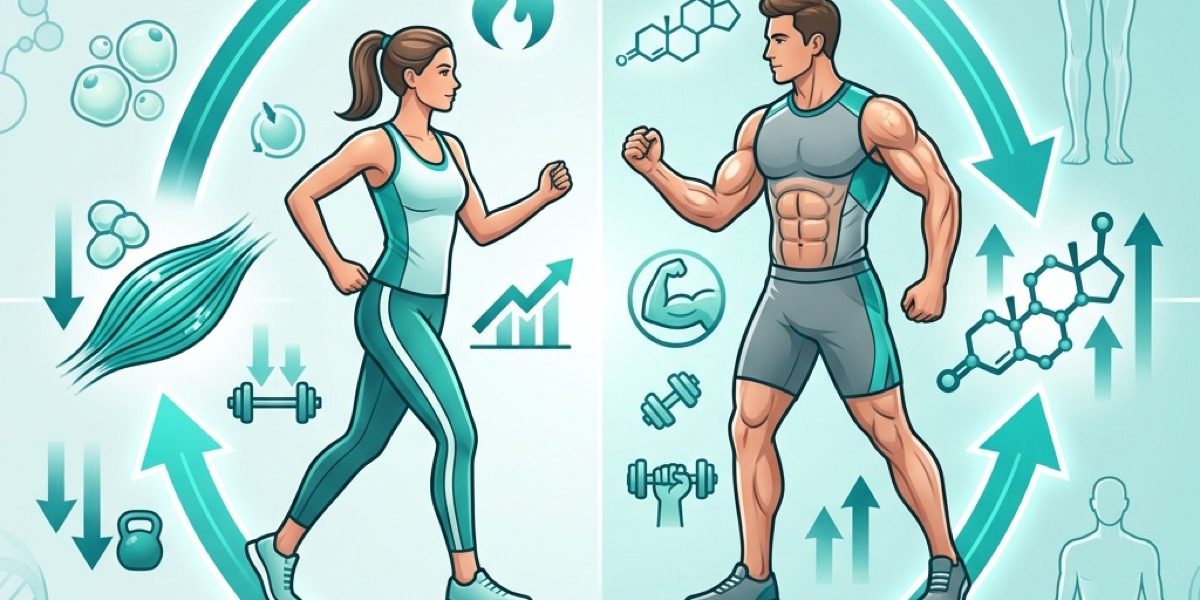
Weight and testosterone influence each other. Excess body fat, insulin resistance, sleep apnea, inflammation, and lower SHBG can all contribute to lower testosterone readings. Low testosterone can also make it harder to build muscle, recover from training, and maintain body composition.
The relationship is real, but it should not be oversold. Testosterone is not a weight-loss drug, and weight loss is not a guaranteed testosterone cure. The useful clinical idea is that some men have functional, obesity-associated low testosterone that may improve when metabolic health improves[1].
Why weight affects testosterone labs
Insulin resistance can lower SHBG, which lowers total testosterone. Visceral fat can affect inflammation, aromatase activity, sleep, and metabolic signaling. Sleep apnea, which is more common with higher body weight, can also worsen fatigue and hormone patterns.
What weight loss can change
Research on men with obesity and metabolic dysfunction shows that meaningful weight loss can raise total testosterone in some groups. Newer GLP-1 data suggest total testosterone can rise during medically supervised weight loss, but free testosterone changes are less consistent and the evidence is still developing[2].
Why body composition matters
The goal is not just a lower scale number. Preserving lean mass through resistance training, adequate protein, sleep, and medical follow-up matters. Losing muscle while losing weight can undermine metabolic health and long-term function.
Bottom line
Weight loss and testosterone are connected, but the safest plan is diagnosis-driven. Test properly, address sleep and metabolic health, protect muscle, and treat testosterone only when symptoms and labs support it.
What to test
A useful metabolic-hormone workup may include total testosterone, free testosterone or SHBG when relevant, A1c, fasting glucose, lipids, blood pressure, waist circumference, thyroid markers, sleep apnea risk, and medication review. The goal is to see the pattern, not chase one isolated number.
How GLP-1 therapy changes the conversation
For men who meet medical criteria for GLP-1 treatment, weight loss may improve metabolic health and may raise total testosterone when low testosterone is driven by obesity or insulin resistance. That is a downstream effect of metabolic improvement, not proof that GLP-1 medications are testosterone treatments.
Protecting muscle during weight loss
Resistance training, protein adequacy, sleep, and follow-up matter. A man who loses weight but also loses too much lean mass may not feel or function better. Body composition is a better target than scale weight alone.
When TRT enters the discussion
TRT should be considered only when symptoms and confirmed labs support testosterone deficiency. In men whose low testosterone is functional and weight-related, lifestyle and metabolic treatment may be first-line before committing to testosterone therapy.
References
- [1] Endocrine Society testosterone therapy clinical practice guideline. PMID 29562364
- [2] GLP-1 receptor agonists and male reproductive hormones: systematic review. PMID 41498523
- [3] Lisco G et al. GLP-1 agonist therapy and testosterone changes in men. PMID 37615353
- [4] Grossmann M et al. Obesity and male hypogonadism review. PMID 31502758
