
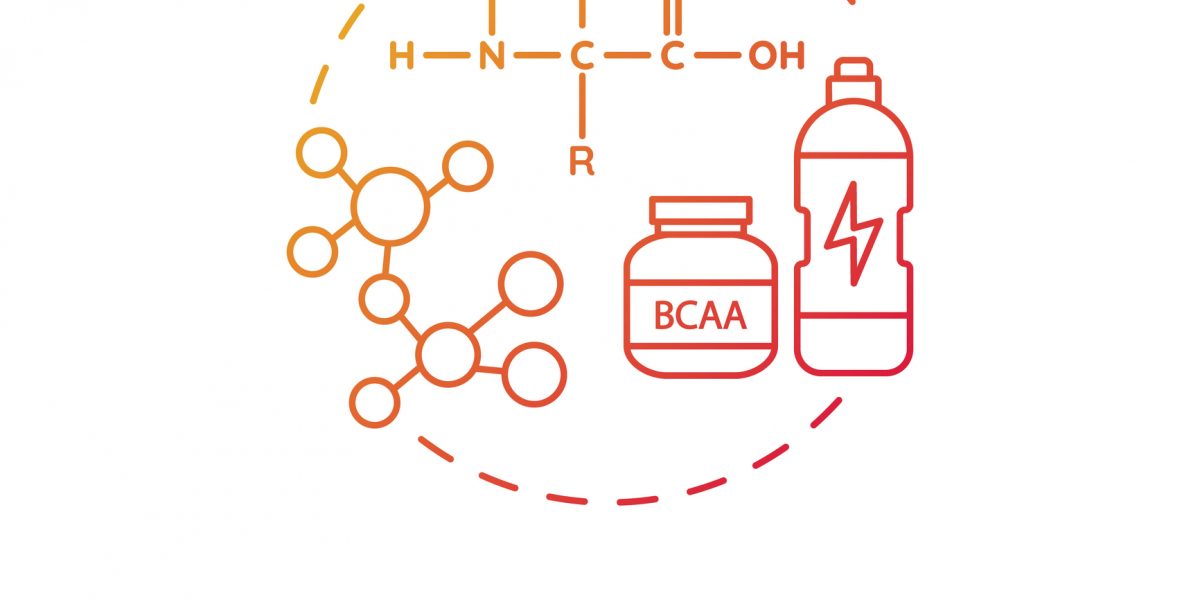
Feeling run down even though you are exercising regularly and eating a healthy diet with a variety of whole foods? Well, you’re not alone in feeling that way, and healthy help is readily available. Yes, there is a much better energy boost available than caffeine or energy drinks — amino acids. These are the building blocks of protein and have several roles to play in helping to maintain health. Let’s take a look at the main amino acid benefits and what you should know about these molecules.
What are Amino Acids?
Amino acids are called the building blocks of proteins because they are the molecules that all living things need for the body to produce protein. We need twenty particular amino acids in order for our bodies to function properly. The body makes eleven of the necessary amino acids. The other nine are called essential amino acids, and we obtain them through the foods we eat.
When it comes to understanding what are amino acids used for, it’s important to look at their functions. Each amino acid has its own role to play. Here are some of the important functions of these protein building blocks:
- Break down food
- Grow and repair body tissue
- Make hormones and brain chemicals (neurotransmitters
- Provide an energy source
- Maintain healthy skin, hair, and nails
- Build muscle
- Boost the immune system
- Sustain a normal digestive system
What Are The Essential Amino Acids?
Phenylalanine: plays an integral role in the production of other amino acids. It is also essential in the structure and function of other enzymes and proteins. This amino acid is converted into the neurotransmitters tyrosine, dopamine, epinephrine, and norepinephrine.
Valine is one of the three branched-chain amino acids (BCAAs) on the list. Branched amino acids have a chain growing off of one side of their molecular structure. Valine plays a role in energy production, muscle growth, and muscle regeneration.
Threonine is an essential component of structural proteins, such as collagen and elastin. It not only plays a crucial role in the skin and connective tissue, but it also plays a significant role in immune function and fat metabolism.
Tryptophan is a precursor to serotonin, a neurotransmitter that regulates appetite, mood, and sleep. It is often associated with drowsiness.
Methionine is necessary for tissue growth and the absorption of zinc and selenium. It is also important in metabolism and detoxification.
Leucine is a BCAA that is vital for protein synthesis and muscle repair. It also produces growth hormone, regulates blood sugar, and stimulates wound healing.
Isoleucine is also a BCAA and is heavily concentrated in muscle tissue, playing a crucial role in muscle metabolism. It is also important for energy regulation, hemoglobin production, and immune protection.
Lysine plays a vital role in many ways. It helps with calcium absorption, protein synthesis, energy production, and immune function. It is also is essential to the production of hormones and enzymes and the production of collagen and elastin.
Histidine helps maintain the protective sheath of myelin that surrounds nerve cells. It also produces histamine, a neurotransmitter that is essential for immune response, sexual and digestive function, and the regulation of sleep-wake cycles.
What Are The Non-Essential Amino Acids?
Non-essentials are made by the body but are also found in our diet and food. They are just as important to our bodies as the others.
Non-essential amino acids:
Alanine helps metabolize and clear toxins from the body.
Asparagine supports healthy brain cells and the central nervous system.
Aspartic Acid produces other amino acids and essential enzymes.
Arginine enhances nitric oxide production, leading to improved blood pressure and blood flow.
Cysteine stimulates collagen production and facilitates the synthesis of the antioxidant glutathione.
Glutamic Acid provides energy for the brain and helps regulate ammonia levels.
Glutamine is for digestion, cognitive function, and immune health.
Glycine helps heal wounds and supports movement, vision, and hearing.
Proline helps repair tissues and regenerate skin.
Serine for muscle metabolism, fat burning, immune health, and positive mood.
Tyrosine acts as a precursor to certain key neurotransmitters, including dopamine, epinephrine, and norepinephrine. These neurotransmitters may help to regulate blood pressure, mood, and the body’s stress response.
How Do I Ensure I Am Getting All of The Essential Amino Acids?
All of the essential amino acids are available with a varied diet of healthy foods. Foods that contain all nine essential amino acids are called complete proteins.
While some foods like certain grains, beans, and nuts are considered to be incomplete proteins, a varied plant-based diet can still contribute to the essential amino acids you need. The key is to ensure that you add a variety of plant-based foods to your diet to obtain different amino acids.
What Does Amino Acid Deficiency Look Like?
If you are having trouble gaining weight or building muscle, your problem might be an inadequate amount of amino acids at work in your body. Amino acids work naturally in the brain to promote healthy brain chemistry. Amino acids are essential for maintaining high energy and a positive mindset. Once again, taking a single amino acid to help with your mood may upset the balance of essential amino acids in the blood. This imbalance can cause further problems. This is why it’s essential to consult a professional medical advisor to ensure you are protecting yourself against imbalances.
How can Androgenix help?
Androgenix offers a comprehensive range of services to help you live your best life. If you’re concerned about an imbalance in your amino acid levels or want to get a better idea of your health in general, our expert medical staff can help you get a comprehensive understanding of your body.
Get in touch if you’re ready to start your journey.
