
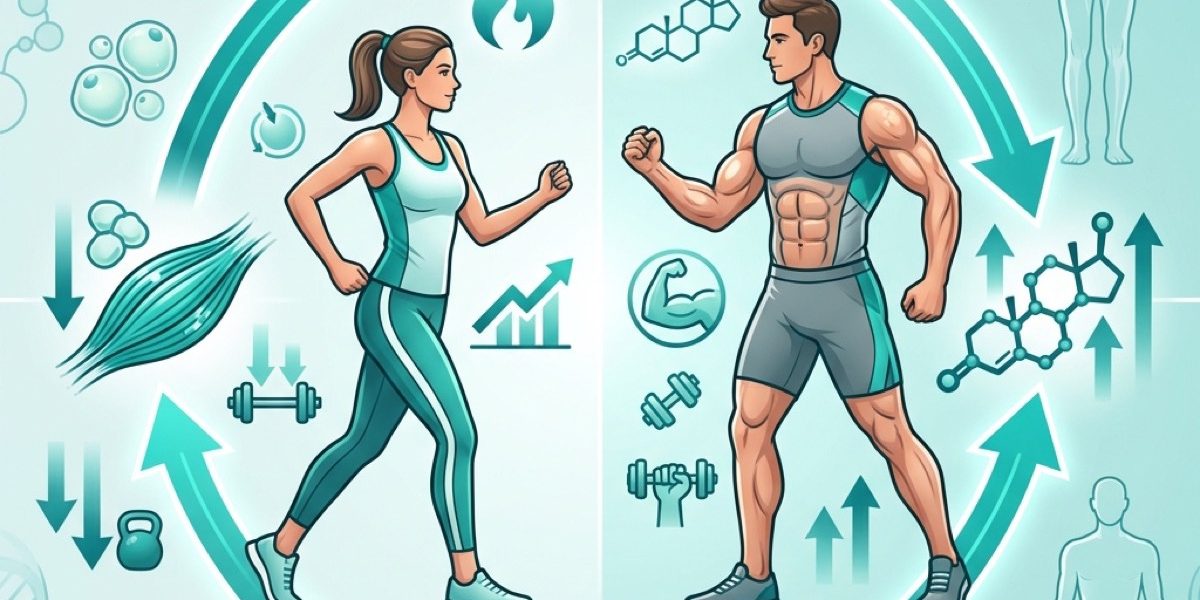
Weight loss is not only about the number on the scale. For many men, the more useful goal is better body composition, steadier energy, improved insulin sensitivity, healthier blood pressure, and a lower cardiometabolic risk profile. Hormones can be part of that picture, but they should be handled carefully.
Hormone optimization is not a standalone weight-loss cure. It is not a substitute for nutrition, resistance training, sleep, medical evaluation, or appropriate obesity and diabetes care. It works best when it is used to answer a specific clinical question rather than to sell a generic transformation plan.
Why metabolic health changes hormone labs
Obesity, insulin resistance, poor sleep, untreated sleep apnea, alcohol use, chronic stress, and some medications can all affect how a man feels and how his hormone labs look. In men with obesity or type 2 diabetes, low testosterone may reflect functional suppression rather than permanent testicular failure[3].
That distinction matters. If the driver is metabolic, then weight loss, improved insulin sensitivity, sleep treatment, and resistance training may improve the hormonal environment. If the driver is primary testicular failure or another endocrine disorder, the plan may look different.
Where GLP-1 medications fit
GLP-1 medications are diabetes and weight-management tools for patients who meet appropriate medical criteria. They are not testosterone medications. Recent research suggests that in men with obesity or metabolic dysfunction, meaningful weight loss with GLP-1 therapy is associated with higher total testosterone in some studies[1][2]. Free testosterone changes are less consistent, and the evidence is still developing[1][4].
The most responsible framing is this: metabolic improvement may support healthier testosterone physiology in selected men, but GLP-1 therapy should not be prescribed or marketed as a testosterone shortcut.
Why body composition matters
During weight loss, preserving lean mass matters. A plan that focuses only on scale weight can miss muscle loss, inadequate protein intake, undertraining, or poor recovery. Resistance training, protein adequacy, sleep quality, and periodic body-composition tracking can help make weight loss healthier and more sustainable.
When hormone testing makes sense
Testing is more useful when symptoms and context line up. Fatigue, low libido, reduced morning erections, loss of strength, increased abdominal fat, and poor recovery may justify evaluation, especially when paired with obesity, insulin resistance, sleep apnea risk, or metabolic syndrome markers.
A thoughtful panel may include total testosterone, free testosterone or SHBG, estradiol when relevant, CBC, thyroid markers, A1c, fasting glucose or insulin where appropriate, lipids, liver markers, kidney function, and other tests guided by the patient’s history.
Bottom line
Hormone optimization can fit into a weight-loss and metabolic-health plan, but only as part of a broader clinical strategy. The safest path is to test, personalize, monitor, and focus on body composition and metabolic risk rather than chasing scale weight or testosterone numbers in isolation.
How to avoid overtreatment
The biggest mistake in this space is treating every symptom as a hormone problem. Fatigue may come from anemia, thyroid disease, sleep apnea, depression, inadequate calories, overtraining, medication effects, chronic inflammation, or poorly controlled blood sugar. Low libido may involve testosterone, but it may also reflect relationship strain, medication effects, vascular health, or stress physiology.
That is why hormone optimization should begin with diagnosis, not a protocol. If testosterone is low, it should be confirmed appropriately and interpreted alongside symptoms, SHBG, metabolic markers, fertility goals, hematocrit, blood pressure, and sleep risk[3]. If testosterone is not low, the plan should move toward the driver that actually fits the data.
What a professional plan looks like
A professional plan sets measurable goals. Those may include waist circumference, lean mass, A1c, fasting glucose, lipids, blood pressure, sleep quality, strength, libido, and symptom scores. It also sets guardrails: no medication escalation without a reason, no hormone claims without lab support, and no promise that one intervention will solve weight, energy, and sexual health at the same time.
For men using GLP-1 medications, the plan should also protect nutrition and strength. Protein intake, resistance training, hydration, gastrointestinal tolerance, and follow-up labs matter. The win is not simply losing weight; it is losing fat while preserving function.
References
- [1] Deameh MG et al. GLP-1 receptor agonists and male reproductive hormones: systematic review. J Sex Med. 2026. PMID 41498523.
- [2] Lisco G et al. GLP-1 agonist therapy, weight loss, and testosterone changes in men. Andrology. 2023. PMID 37615353.
- [3] Bhasin S et al. Testosterone Therapy in Men With Hypogonadism: Endocrine Society Clinical Practice Guideline. J Clin Endocrinol Metab. 2018. PMID 29562364.
- [4] Kounatidis D et al. GLP-1 receptor agonists, androgen deficiency, and erectile function: mechanistic review. Biomolecules. 2025. PMID 41008590.
