
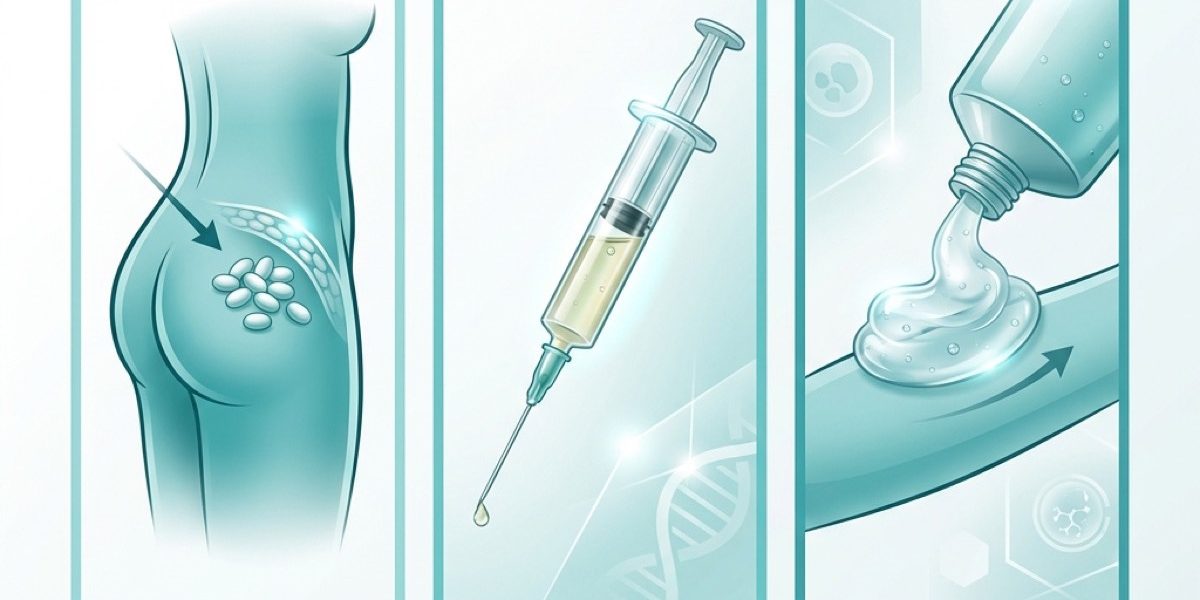
There is no universally best testosterone delivery method. Pellets, injections, and gels can all work for selected patients, but they differ in convenience, adjustability, absorption, side effects, and monitoring.
Injections
Injections are adjustable and widely used. They can also create peaks and troughs depending on the formulation and schedule. Some men feel steady; others notice symptom swings. Monitoring timing matters because lab values can look different depending on where the patient is in the cycle[1].
Gels
Gels avoid injections and can provide daily delivery, but absorption varies. Patients must follow instructions carefully and avoid transfer to partners or children. Skin irritation and adherence can also matter.
Pellets
Pellets offer long-lasting delivery after an in-office procedure. The tradeoff is less flexibility once inserted, plus procedure-related risks such as discomfort, extrusion, or local complications in some patients.
What should decide the method?
- Confirmed diagnosis and treatment goal.
- Fertility plans.
- Ability to follow the regimen safely.
- Hematocrit, blood pressure, prostate-related factors when relevant, and side effects.
- Preference for adjustability versus convenience.
All delivery methods require monitoring. Testosterone therapy can raise hematocrit in some men, and follow-up should not be optional[2].
Bottom line
The best testosterone method is the one that fits the diagnosis, risk profile, lifestyle, and monitoring plan. Choosing a delivery method should be a medical decision, not a convenience-only decision.
Adjustability vs convenience
Injections are generally easier to adjust. Gels can be adjusted too, but daily use and absorption matter. Pellets are convenient once placed, yet they are less flexible if symptoms or labs drift. That tradeoff is central to the decision.
Side effects can vary by method
All methods can raise testosterone and all require monitoring, but the side-effect pattern may differ. Injections may be associated with peaks and troughs in some men. Gels can transfer to others if precautions are not followed. Pellets involve a procedure and local site considerations.
Fertility before formulation
Delivery method does not remove the fertility issue. Exogenous testosterone can suppress sperm production regardless of whether it is delivered by injection, gel, or pellet. Men who want future children should discuss this before choosing any TRT formulation.
Switching methods
Switching may make sense when symptoms, labs, side effects, adherence, or preference do not match the current method. The switch should be planned around monitoring rather than done casually.
References
- [1] Pharmacology of testosterone replacement therapy preparations
- [2] Erythrocytosis Following Testosterone Therapy
- [3] AUA Testosterone Deficiency Guideline
